The store concept

Small stores. Big brands. No middleman.

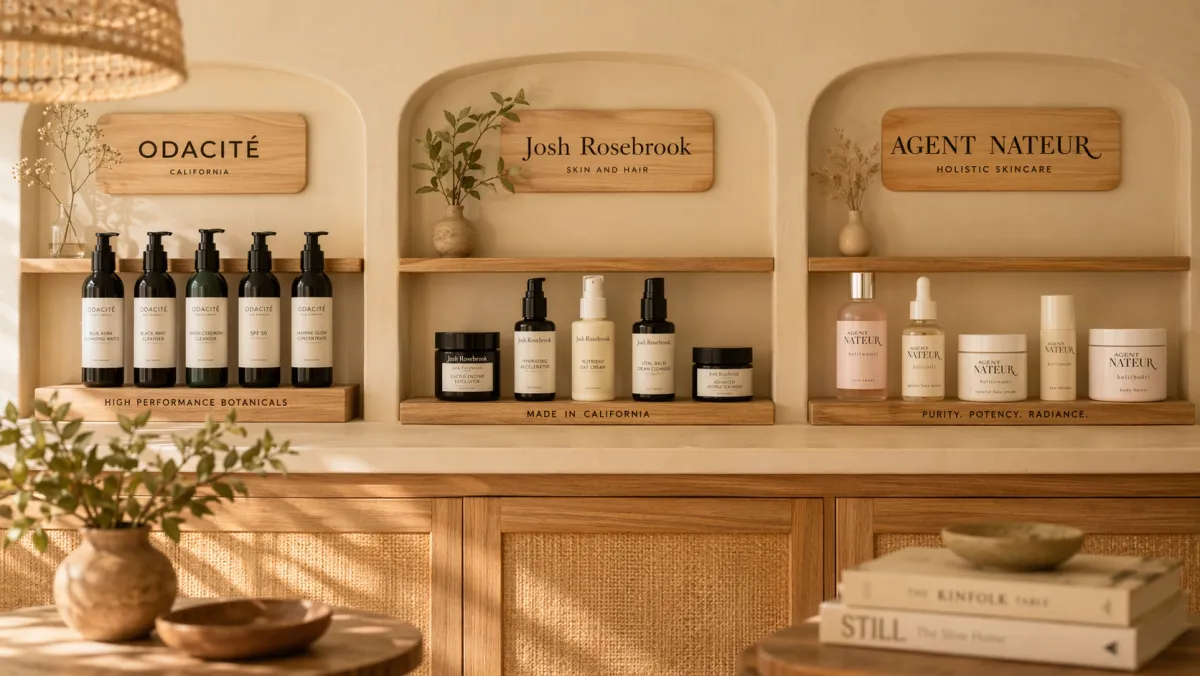
These aren't supermarkets. They're curated brand destinations in the heart of the city — where every product has a story, every brand has a space, and every customer walks in on purpose.

Compact. Central. Built for foot traffic and ad-driven visits.
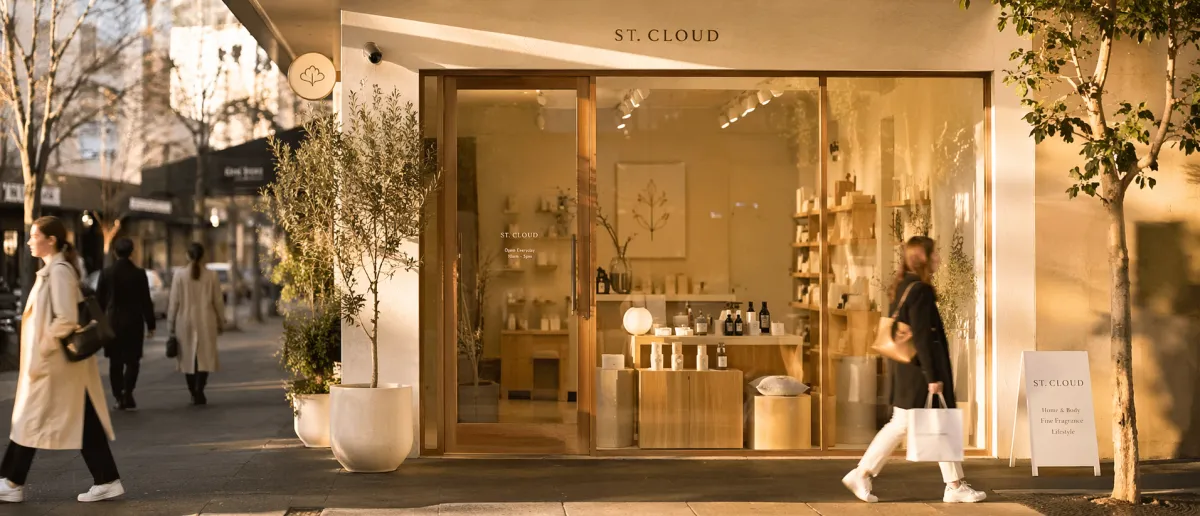
Small curated store exterior

The format

Your own branded space inside a shared store.

Forget aisles of competing products. Each brand gets their own area — your branding, your products, your story. Customers don't find "skincare" on a shelf. They find you.

📐

Small footprint

~50sqm stores. Compact, curated, and easy to staff. Low overheads, high impact.

🏷️

Organised by brand

Not by category. Your products sit together in your branded area — not scattered across aisles.

📦

5 SKUs per brand

Your flagship product plus up to 4 cross-sells. Enough to tell your story and drive AOV.

🎨

Your branding

Signage, shelf design, product displays — your area looks and feels like your brand, not a generic shelf.

👋

Staffed with an assistant

A retail assistant in-store who knows every brand, can answer questions, and drives a great experience.

🛒

Walk in and browse

No appointments, no barriers. Street-facing, ground floor, open to anyone walking past.

Branded shelf display
Think of it like a curated market — but permanent, staffed, and in the best location in the city. Every brand benefits from every other brand's customers walking through the door.

Why this works

Central locations built for traffic, access, and advertising.

We're not hiding in an industrial estate or a quiet side street. These stores go where the people already are — and where your ads can point them.

🚶

High foot traffic

CBD locations surrounded by offices, cafes, and transport hubs. Thousands of people walking past every day.

📍

Easy access

Ground floor, street-facing, walkable from parking and public transport. No searching, no escalators, no maze.

📱

Perfect ad destination

"Visit us at [address]" — every brand's ads point to the same place. The more brands advertising, the more traffic everyone gets.

🏙️

Complementary neighbours

Cafes, gyms, wellness studios, lunch spots. The people around these locations are already your target market.

Lunchtime & after-work

Capture impulse buyers during peak pedestrian hours. People browse on their break, pick up on the way home.

🌍

Tourist & visitor traffic

Central locations get natural passing traffic from visitors who are actively looking to discover local brands.

🎪

Event-ready

Host sampling days, product launches, and pop-up events in a central spot people can actually get to.

🔁

The compounding effect

Every brand drives traffic. Every visit exposes customers to every brand. The more brands, the more foot traffic for everyone.


The experience

What it feels like to walk in.

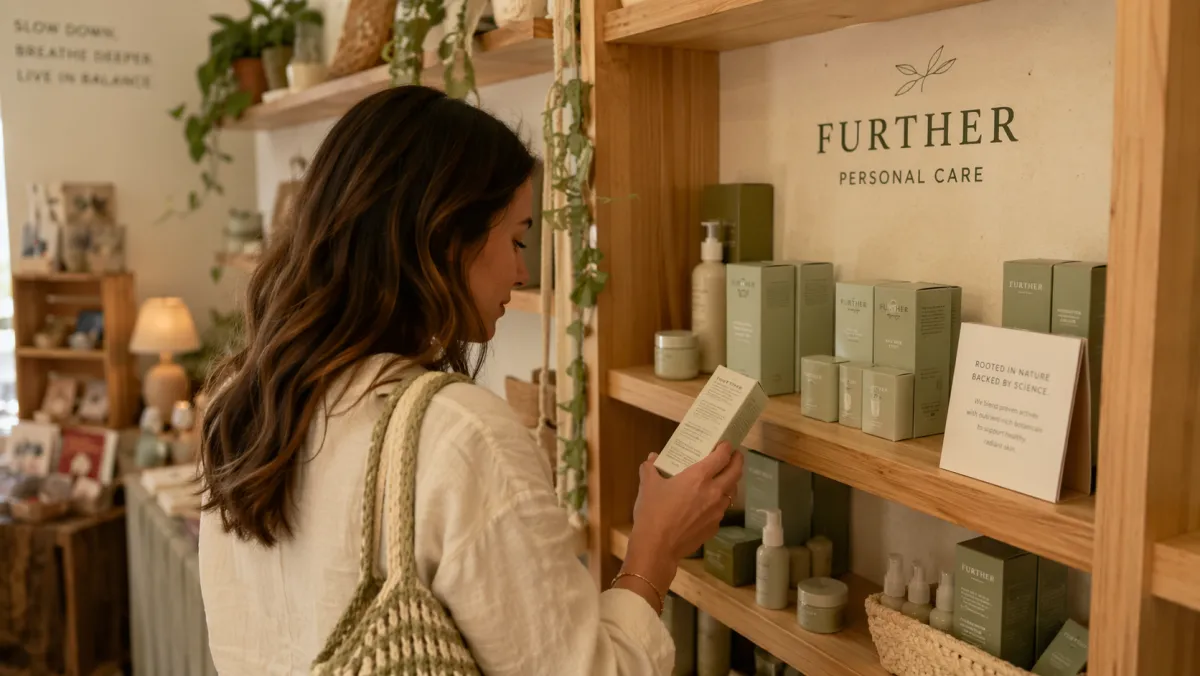
This isn't a warehouse with fluorescent lighting. It's a space designed for discovery — where customers engage with brands, not barcodes.

Customer browsing branded section
01

Walk in and see brands, not categories.

Each brand has their own section with their signage, their products displayed together, and their story told. No aisle 9. No competing with 50 other brands for attention.

02

A retail assistant who actually knows the products.

Not a shelf-stacker — someone who can talk about your brand, recommend products, and create a real experience. They represent every brand in the store.

03

Cross-sells right next to your flagship.

In traditional retail, a customer picks up your one product and leaves. Here, your cross-sells are right there. $10 becomes $70.

04

Email captured at POS.

Every purchase captures the customer's email. You build your list from in-store sales — something no retailer gives you.

05

Promo codes work in-store.

Customers redeem codes from your ads at the register. The sale gets attributed back to the ad that drove it. Real attribution, not guesswork.


The difference

What you get vs. what a retailer gives you.

Traditional retail

Your product in their store

  • Buried in a category aisle with competitors
  • No branding — just a price tag on a shelf
  • Cross-sells scattered or not stocked at all
  • Staff don't know your product
  • Customer buys one item and leaves
vs
The anti-retail store

Your brand in your space

  • Your own branded section — your products together
  • Your signage, your story, your identity
  • Cross-sells right next to your flagship
  • Staff trained on every brand in the store
  • Customer discovers your full range — $10 becomes $70

Locations

Three cities. Three stores. Starting now.

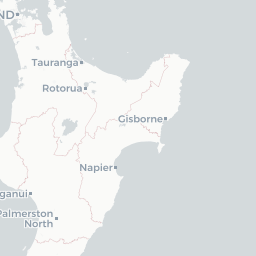
We're opening in the three main centres — high-traffic CBD locations in each city. Exact sites are being finalised, but the criteria are locked in: central, street-facing, ground floor, surrounded by foot traffic.

Leaflet © OSM & Carto
🏔️

Christchurch

CBD rebuild zone. High foot traffic, new developments, and a growing wellness market.

Store 1
🌊

Wellington

Compact CBD with dense foot traffic. Office workers, government, students — all walkable.

Store 2
🌇

Auckland

NZ's biggest market. Central location with the highest volume of potential customers in the country.

Store 3
Why CBD? Because that's where the people are. And when every brand in the store is running ads saying "visit us at [address]" — it needs to be somewhere people can actually get to. Central, accessible, no excuses not to visit.

Join the first wave

Want a space in the store?

We're starting with a small group of established NZ brands. If you want your products in a space that actually works for you — not against you — let's talk.

Express an interest Read the full pitch